
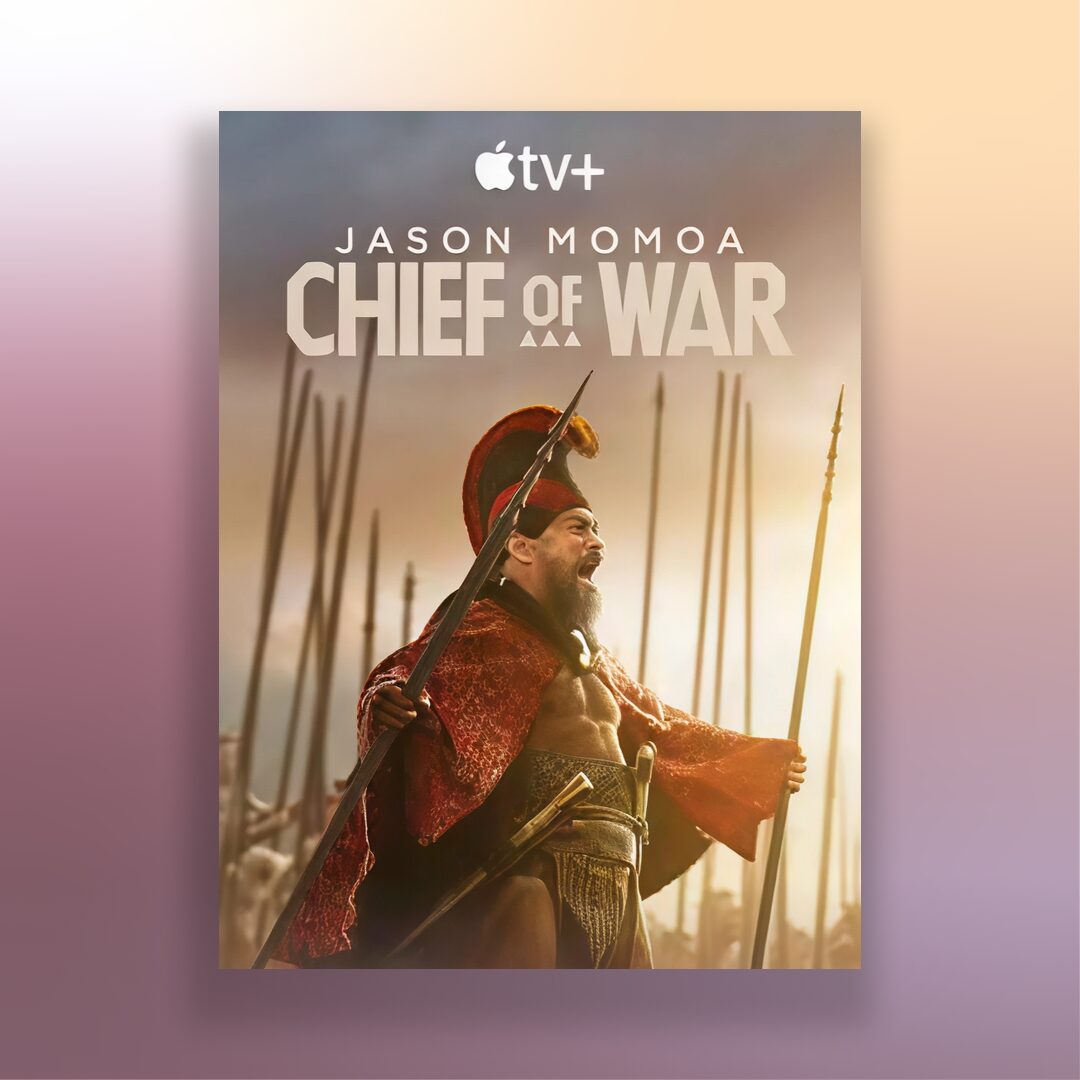
Chief of War has profoundly shifted the global media landscape by centering Native Hawaiian stories and perspectives on a scale rarely seen in prestige television. By retelling the unification of the Hawaiian Islands from a Native perspective, the series dismantles traditional Western-centric tropes of the Pacific. Its most significant cultural contribution is the mainstreaming of ʻŌlelo Hawaiʻi (Hawaiian language); by featuring entire episodes and dialogue in the native tongue, the show provides a massive international platform for a language that was once suppressed, fostering a sense of pride and linguistic reclamation across the islands.
The series has also redefined Polynesian representation by showcasing a visceral, authentic history that contrasts sharply with the “tourist-friendly” imagery of the resorts. For local communities, the show serves as a declaration of resilience, proving that Indigenous history can command blockbuster budgets without compromising historical or cultural integrity. Ultimately, Chief of War has set a new industry benchmark, demonstrating that global audiences are hungry for authentic, Native-led epics that challenge colonial narratives while preserving the sanctity of ancestral history.